
When it comes to choosing packaging materials, there are many options available, either as primary or secondary packaging.
The type of material you choose will depend on product type, regulations, and packaging objectives.
In this guide, we will explore some common options available.
Why Choosing the Right Packaging Material Matters
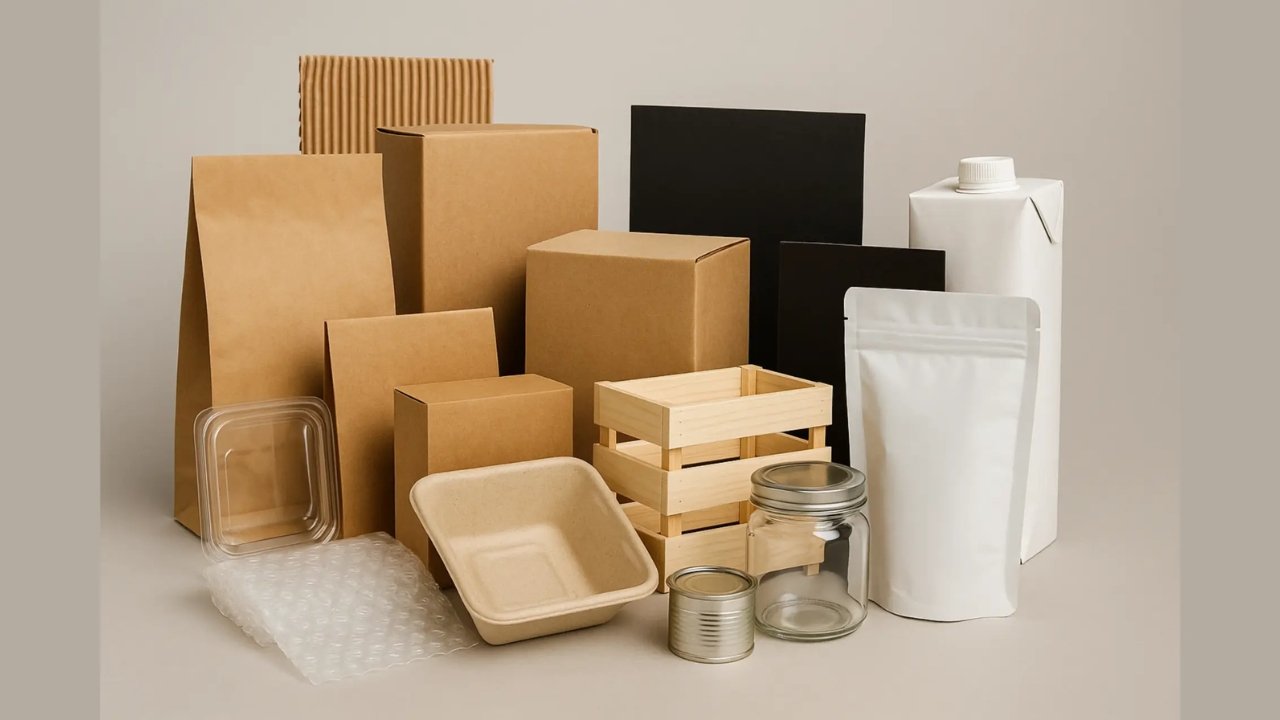
In any production process, packaging is an integral aspect you cannot ignore. In fact, it determines how safe the product will reach the consumer.
Here are some of the main reasons why choosing the right materials for all packaging needs is critical:
- Protects products to ensure they are safe for transportation
- It is part of regulatory compliance on product safety
- Packaging plays an integral role in branding and marketing
- Through packaging, manufacturers provide all essential details about their products
- As a sustainable environmental campaign where most companies use eco-friendly materials
- Improves supply chain efficiency
Common Types of Packaging Materials
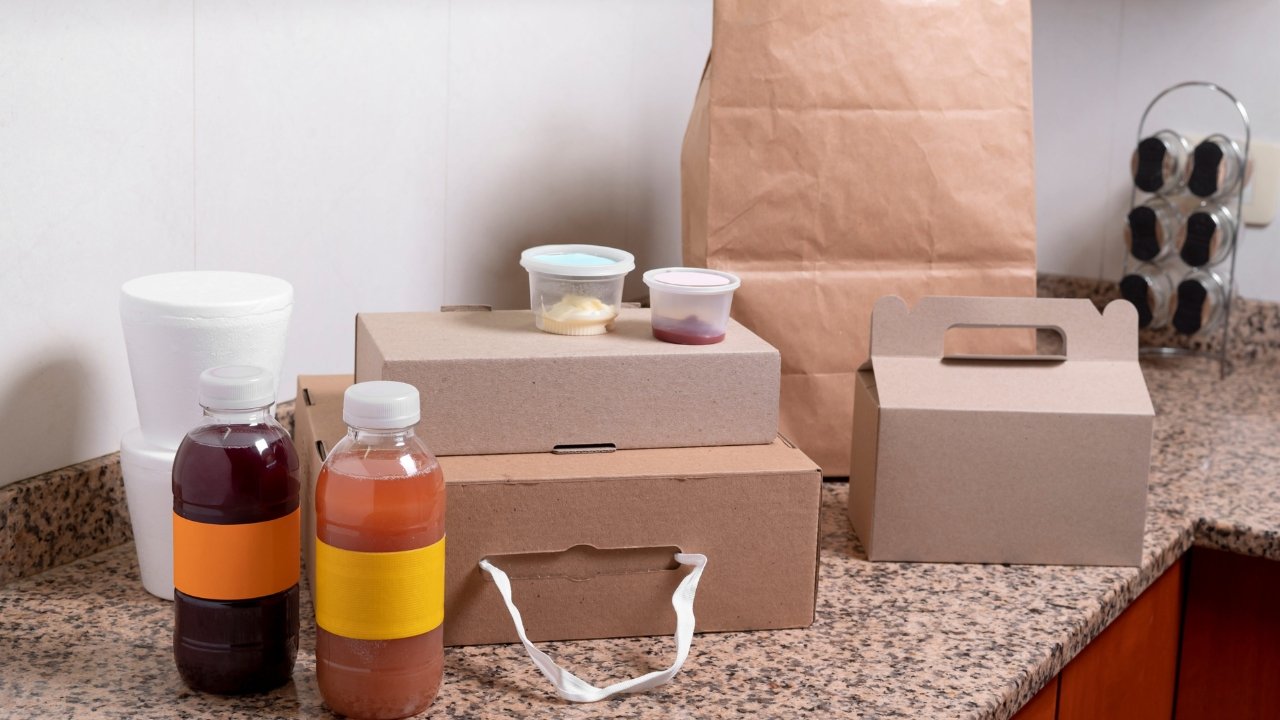
With the many packaging materials available in the market, let’s explore some of the most common options:
Plastic Packaging
Plastic packaging is one of the most common types of packaging materials used in many industries. From packaging consumer products to wrapping shipments, these materials play an important role in ensuring products are safe for shipping.
But more importantly, you must choose the right machine that will apply the plastic packaging material. For example, for shrink wrapping, you will use PVC, polyolefin, or polyethylene.
Therefore, you must choose the right equipment that will apply plastic packaging material. There are many options, including:
- Shrink film wrapping machine
- Vacuum shrink wrap machine
- Side seal shrink wrap machine
- Heat shrink tunnel
- Shrink sleeve tunnels, among others
With the above information in mind, let’s summarize the most common plastic packaging materials in the table below. This will help you choose the right material faster:
| Plastic Material | Features |
| PET/PETE | · Clear and strong with superior moisture barrier properties |
| PS | · Lightweight with good insulation properties and can be hardened to form a rigid packaging |
| HDPE | · Opaque and also resistant to moisture and chemicals |
| PP | · From hard to semi-rigid, this material is also resistant to grease and most chemicals |
| PVC | · It can be rigid or flexible, but also tough with superior chemical properties |
| LDPE | · A flexible and tough material with good moisture barrier properties, while also transparent |
Glass Packaging
Glass packaging offers a perfect barrier to gases and moisture. They are usually designed with playful colors to help attract customers’ attention, thereby increasing sales.
Although glass is a good packaging material, it has some limitations. These include:
- Fragile – Glass packaging is easy to break, crack, or shatter when handled poorly without any care. This can result in product loss or lead to workplace injuries.
- Heavyweight – Compared to other packaging materials, glass packaging is heavy. This may require special handling and may increase shipping costs.
- High production and handling costs – Manufacturing, transporting, and storing glass containers are more expensive. This is because they require stronger packaging for protection, more fuel for transport.
- Not flexible – The type of shapes you can make from glass material is limited. Unlike plastic materials, where you can adopt shrink packaging or stretch packaging.
Therefore, glass packaging usually has limited shapes as compared to other packaging materials, such as plastic. You can have cylindrical shapes, square, conical, rectangular, ampoules, or vials.
Metal Packaging
Metal is also another popular packaging material. You can use these materials in many applications, such as food, beverages, cosmetics, chemicals, and consumer electronics packaging.
Metal packaging is popular for its strength, durability, and excellent protection properties.
But more importantly, metal packaging offers many advantages like protecting contents from contamination, exceptional durability, and resistance to external pressure. Besides, you can also recycle metals, making them sustainable.
Among the most common metals for different packaging solutions are aluminum, steel allows or tinplate.
You can use these materials as sheets or films, depending on the packaging requirements.
Paper and Paperboard Packaging
Paper and paperboard packaging are one of the most common types of packaging materials that we use in our daily lives. This is due to their lightweight and cost-effectiveness. Additionally, they are also easy to recycle, making them sustainable packaging material.
Different types of paper and paperboard packaging have varying advantages that make them suitable for a wide range of packaging applications.
For example:
· Corrugated Cardboard
This type of cardboard is of a fluted paper layer. Its unique design makes it have high strength, lightweight, and rigidity.
They are used in applications such as shipping and transport packaging, point of sale display, appliance cushioning and partitions, industrial packaging, and e-commerce packaging.
· Folded Cartons
Folded cartons are a type of paperboard that is supplied flat, which can then be transformed into different shapes to fit consumers’ needs. They are used in different applications such as food and beverage, pharmaceuticals, cosmetics and personal care, and household items packaging.
· Kraft Paper
Kraft paper is made using the kraft pulping process. This packaging material is known for its good tear and burst resistance.
They are commonly used in paper bags, food wrapping, corrugated board production, and industrial sacks, among others.
Wood Packaging
Wood packaging is one of the common types of packaging that is mostly used for heavy-duty and industrial applications. They are a perfect packaging solution for bulky or fragile goods.
There are different types of wood packaging:
· Wooden Crates
Wooden crates are mostly open or closed structures, depending on the type of crate you are using. They can be customized to fit the product’s needs, thus encouraging easy transportation.
More importantly, they have higher strength and load-carrying capacity, which makes them handle heavy and bulky goods. Additionally, wooden crates are shock and vibration-resistant.
· Boxes
These types of wooden boxes are made to protect goods during storage and transportation. In export, they offer better protection, especially when fully enclosed.
The best part, you can customize these wood packaging boxes according to customer requests and the types of goods you wish to package.
· Pallets
Pallets are important tertiary packaging materials in many industrial setups. They are a type of wood packaging material that is flat and portable.
You can use pallets in many applications, such as storage, transportation, and handling of goods.
In most cases, these wooden pallets are made from softwood or hardwood.
Generally, wooden pallets are popular in many packaging applications due to their ability to:
- Handle heavy and bulky items
- Cost-effectiveness
- Tailored to different sizes and designs
However, if you are using wooden pallets as part of your packaging solution, you must ensure they comply with the ISPM 15 standard.
Textile and Fabric Packaging
There are different types of textile and fabric packaging, such as cotton bags, jute bags, among others
Cotton bags are normally made from cotton and are mostly used for shopping bags, gift bags, and branded promotional packaging.
On the other hand, jute bags are made from biodegradable jute fiber that is strong and eco-friendly. It is mainly used in agricultural produce, gift packaging, and reusable shopping bags.
Generally, textile and fabric packaging are affordable and comfortable to carry. Again, they can be designed in a way that makes them waterproof and resistant to stains or wear.
Foam and Cushioning Materials
Foam and cushioning materials are used to protect products from shock, vibration, and impact during transportation. Additionally, they will also protect items during handling and storage.
Usually, these packaging materials are perfect for handling fragile, delicate, and high-value items.
There are many types of materials you can use as foam and for cushioning:
· Polyurethane Foam
Polyurethane foam is a soft, flexible, and lightweight cushioning material that is used to protect delicate and fragile products. Among the key advantages of this material is its sustainability and the ability to reduce impact or absorb shock.
· Polyethylene Foam
Polyethylene foam is a semi-rigid closed-cell foam that is mostly used in industrial and appliance applications. They offer perfect packaging due to good insulation properties and high impact resistance.
· Styrofoam
Styrofoam is lightweight and offers good insulation properties. In most cases, they form important packaging material when shipping food and medical supplies.
Additionally, you can use them to protect glassware and other fragile items.
The best part is that you can customize Styrofoam to different shapes without incurring higher costs.
· Paper Pulp
Paper pulp is a type of foam and cushioning material that is made from recycled paper, cardboard, or natural fibers. They are usually mixed with water and then molded into desired shapes.
You can use paper pulp in different packaging applications such as egg trays, cartons, fruit trays, drink carriers, and disposable tableware.
How to Choose the Right Packaging Material
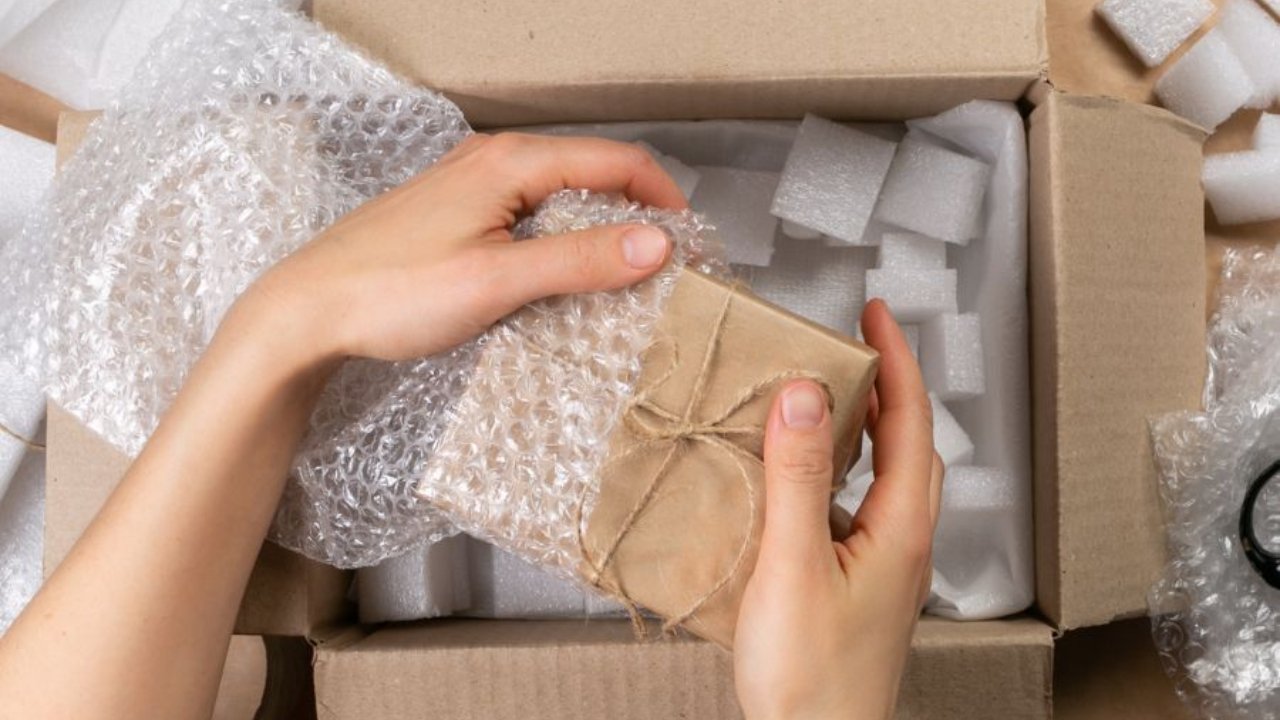
As you can see, there are many packaging materials with different properties. However, for safe and secure packaging, you must choose the right material.
Below are 7 critical factors to consider when choosing any material for packaging:
Characteristics of Products to Package
Among the key product variables that will help you to choose a perfect packaging material are:
- Perishability – This is the primary driver in packaging material determination as it dictates the level of protection required to extend shelf life and maintain product safety, as well as quality.
- Hygiene – This affects the packaging materials as it’s essential for ensuring food safety and quality.
- Fragility – It dictates the choice of packaging materials that provide superior cushioning, shock absorption, structural reinforcement, and immobilization. This protects the product from impact, compression forces, and vibration.
- Value – Product value affects the choice of packaging materials as it influences the emphasis on perceived quality, cost effectiveness.
- Chemical Compatibility – Chemical compatibility dictates which materials can safely contain a specific product, as different chemicals have different properties, and the reactive properties with packaging materials vary.
Shipping and Logistics
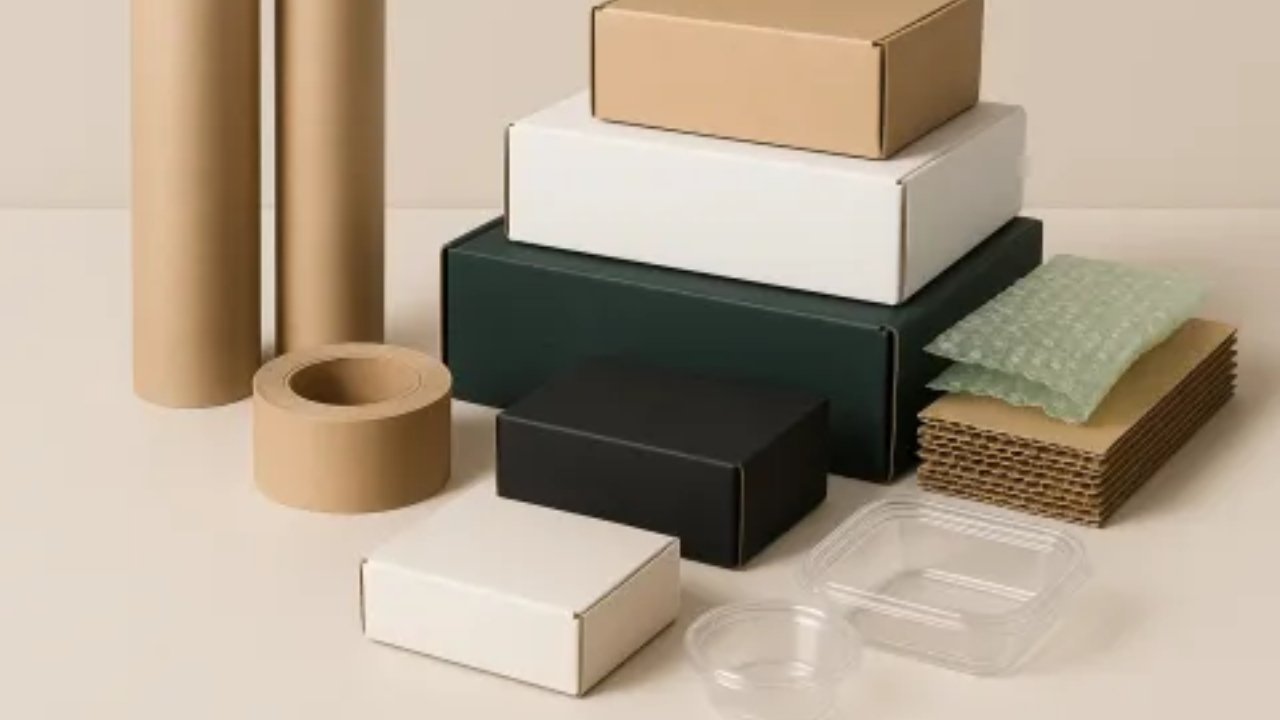
The material you choose to package products must guarantee safety and compliance. That is, it must protect products from environmental hazards while also complying with set safety regulations.
Compliance and Regulations
Regulations on product safety basically dictate the choice of packaging materials by setting strict requirements to prevent physical damage and tampering.
Furthermore, the environmental impact also determines the choice of packaging material. They mandate the use of sustainable alternatives, enforcing a circular economy approach to minimize waste and pollution, and restricting harmful substances.
Lastly, international trade standards also play an important role. They significantly affect packaging choice by imposing specific rules related to phytosanitary measures, environmental impact, and transportation requirements.
Branding and Marketing Requirements
Here is how branding affects your choice of packaging material:
- Brand identity – It affects packaging material choice by aligning the physical product with the brand’s values, desired market position, and personality.
- Target audience – The Target audience significantly influences packaging material choice, affecting design, cost, and sustainability.
- Product value – It affects packaging material selection by aligning the design and product with the desired brand perception and the product’s functional needs.
Consumer Requirements
First, you must consider:
- Product protection and reservation – It influences packaging material choice by dictating a need for specific barrier properties, material compatibility, and durability.
- Convenience and functionality – It affects choices for material packaging by favoring materials that enable easy opening, reusability, and resealability.
- Sustainability – Sustainability influences packaging selection by increasing demand for recyclable, biodegradable, and reusable materials.
Of course, other aspects like budget will also determine the types of packaging material to use.
Therefore, you must put all these variables into consideration when choosing any packaging material.
FAQs

What is the difference between primary and secondary packaging?
Primary packaging is the type of packaging that is in direct contact with a product. On the other hand, secondary packaging is the packaging type that groups various types of primary packaging.
Which is the most eco-friendly packaging material?
Recyclable paper and cardboard – They help conserve natural resources, require less energy and water to produce than virgin materials. Additionally, they reduce pollution as their recycling process generally has lower CO2 emissions and uses fewer harsh chemicals than creating new paper.
Which material is approved by the FDA for pharmaceutical use?
There is a wide range of materials that are compliant with specific FDA regulations. They include:
- Plastics – Many types of plastics are used for pharmaceutical packaging, including those of IV bags, syringes, caps, and bottles.
- Foil and Paper – These are mostly used in combination with materials such as multi-layered sachets for moisture and light protection.
- Glass – Pharmaceutical-grade glass is a popular choice as it is inert and doesn’t react with most medications.
Which is the best packaging for shipping fragile materials?
Bubble wrap is the ideal material as its air-filled bubbles cushion against shocks, protect against scratches and dents, and absorb vibrations. It also prevents items from shifting during transit and can be used to fill empty spaces in a box.
Is bioplastic packaging the same as biodegradable packaging?
No.
Bioplastic packaging is a plastic product that is made of renewable biomass sources like bacteria or plants. On the other hand, biodegradable packaging is made from natural materials that can be broken down by microorganisms into elements like water, carbon dioxide, and biomass.
Which are the best packaging materials for food?
First, you can consider plastic. It can protect food from contaminants, extend shelf life by creating a barrier against oxygen, moisture, and light, and reduce food wastage.
Another option is glass, which is a non-reactive material. Therefore, it preserves foods from losing natural taste and nutritional value without leaching harmful chemicals.
You can also consider metal. The metal’s strength, durability, and ability to provide an excellent barrier against oxygen, moisture, and light help extend food’s shelf life and protection against contaminants.
We also have paper/cardboard. These are recyclable materials that offer sustainability, cost effectiveness, versatility, and protection, and are made from renewable sources.
What is the difference between stretch film packaging and shrink film packaging?
Stretch film packaging is a highly stretchable plastic film that is wrapped around items to tightly hold them together. On the other hand, shrink film packaging is a type of plastic film that shrinks tightly around a product when heat is applied, creating a protective and secure seal.
What is the most cost-effective packaging material for lightweight goods?
Corrugated cardboard and kraft paper – They are inexpensive packaging materials to manufacture, lightweight for lower shipping costs, and are highly scalable.
Partner with Flexshrink for All Packaging Machines
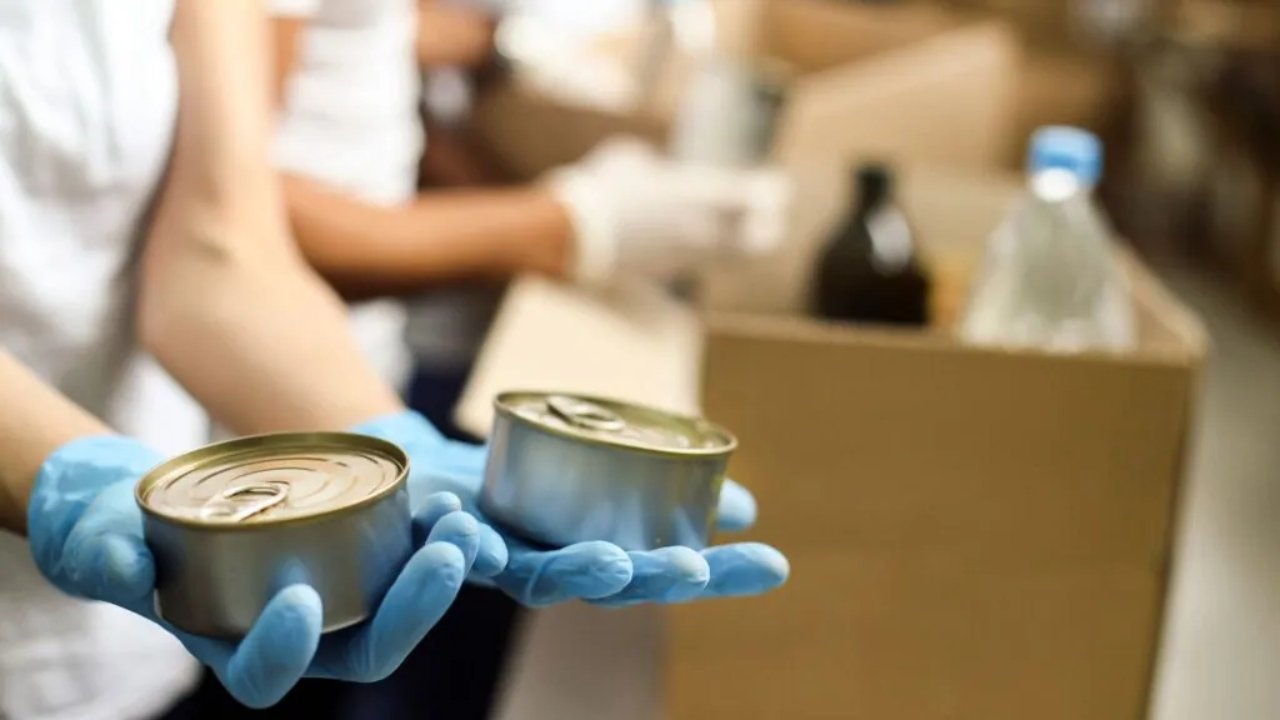
Once you have the right material, it is critical to choose a machine that will help in the packaging process. At Flexshrink, we offer a wide range of shrink wrapping machines, from manual, semi-automatic, to fully automatic machines.
Flexshrink offers many custom packaging solutions, like hot air shrink tunnels, steam shrink tunnel machines, to electric shrink tunnels – Download our packaging machines catalogue now.


